
Laboratory testing of crushed stone
MATTEST performs laboratory testing of crushed stone for incoming material control, mix design, supplier verification and confirmation of compliance with project requirements. A single laboratory covers the full set of parameters and issues a test report with actual results.
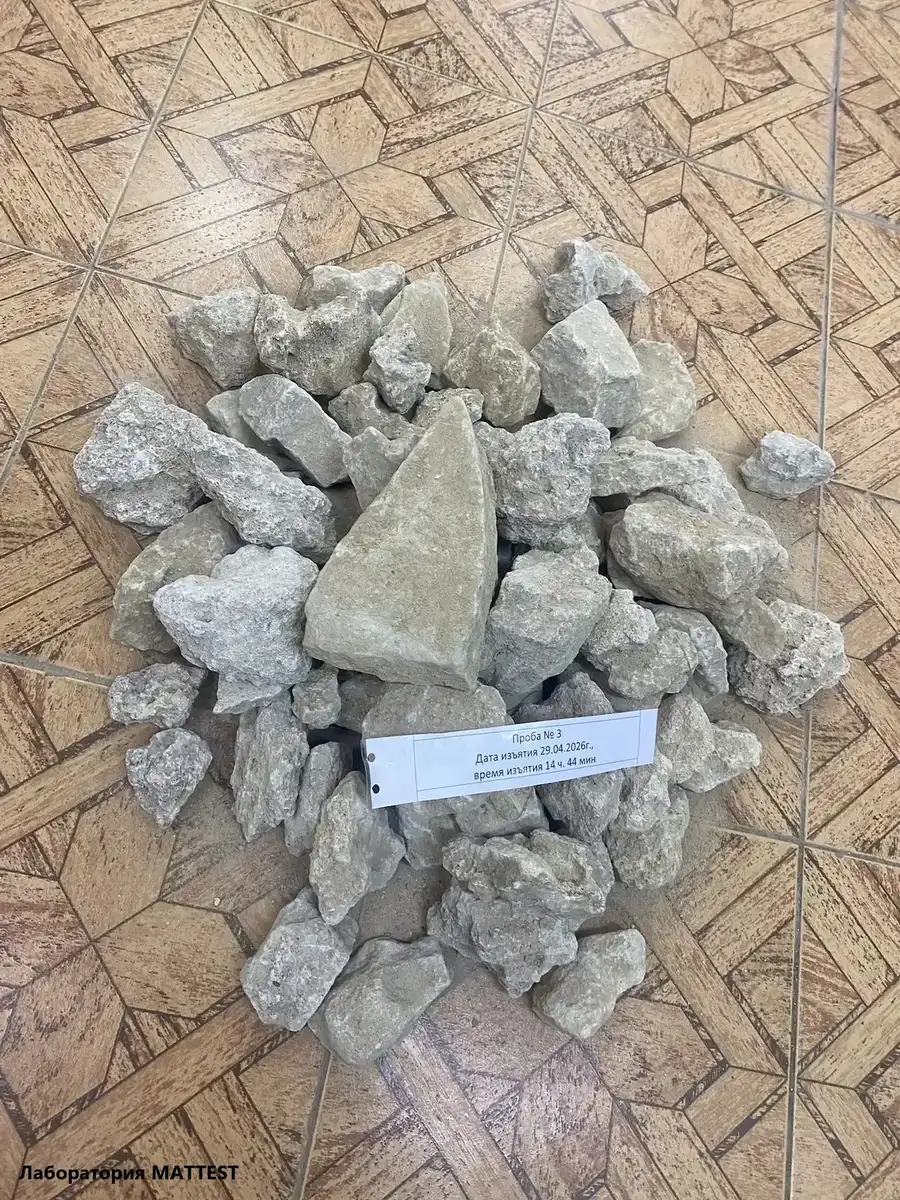
What MATTEST determines in crushed stone
- 01Crushing strength
- 02Grading and fraction compliance
- 03Frost resistance
- 04Abrasion
- 05Dust and clay particle content
- 06Clay-lump content
- 07Content of flaky and elongated grains (flakiness index)
- 08Content of crushed grains
- 09Average and bulk density
- 10Voids content
- 11Moisture and water absorption
- 12Resistance to decomposition of the structure
- 13Comprehensive testing to project requirements and material application
The exact set of parameters is defined by the intended use of the crushed stone, the project, the contract and the laboratory scope.
What we test
- crushed stone and gravel from dense rocks
- crushed-stone / gravel / sand mixes
- crushed stone for cement concrete
- crushed stone for road bases
- crushed stone for asphalt mixes
- delivery control samples and on-site materials
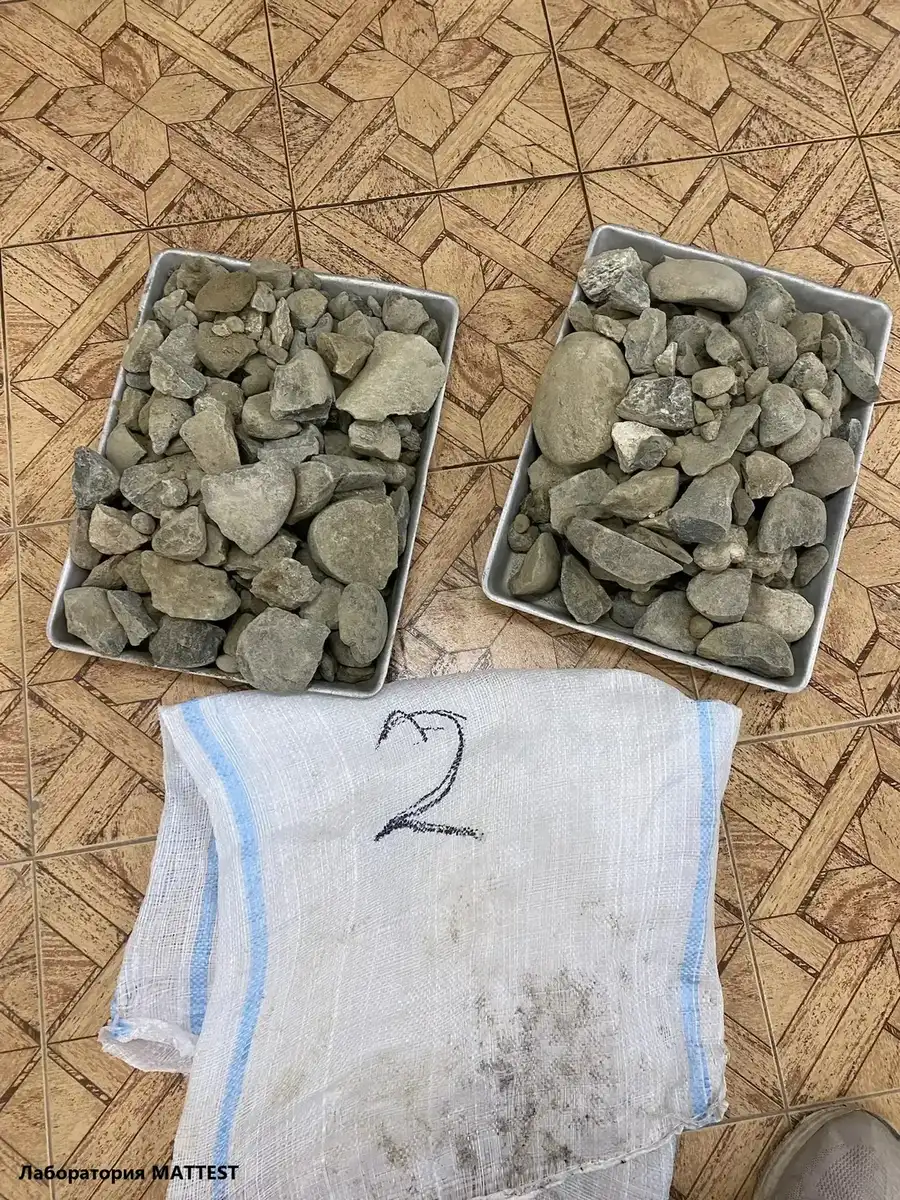
Practical value
Crushing strength characterises the resistance of crushed stone to failure under load. In cement concrete, strong aggregate helps achieve the required concrete quality; in a road base it retains its load-bearing properties and degrades more slowly; for asphalt concrete high-strength crushed stone, including grades M1000–M1200, is often required by the mix and project.
Water-saturated testing is particularly important for roads: limestone rocks can noticeably lose strength after prolonged water saturation.
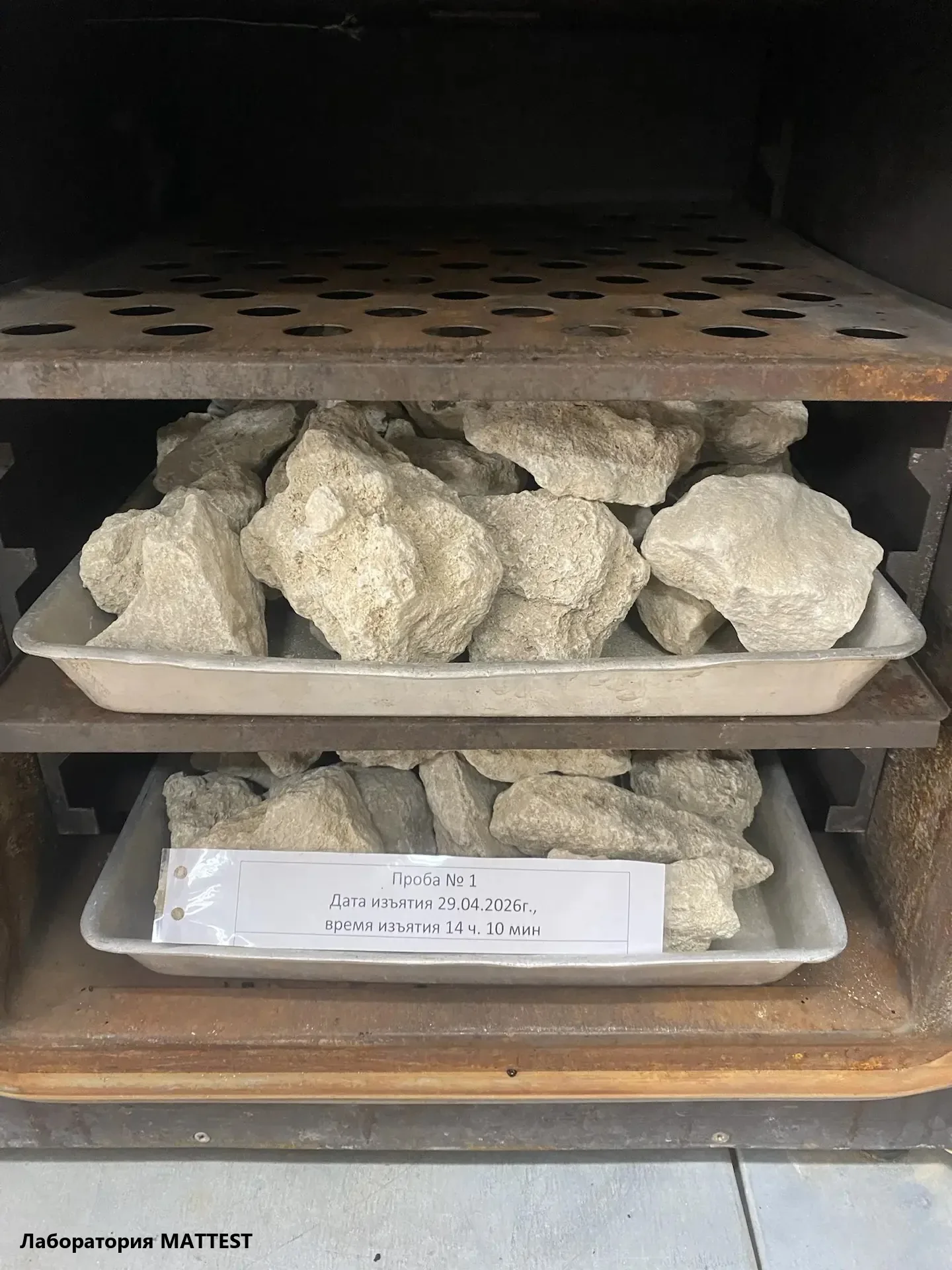
Applicable standards
The main published standard for these methods is GOST 8269.0-2025. It was introduced on 1 June 2026 to replace GOST 8269.0-97 and already appears in the published scope of the Uzbek laboratory. For road crushed stone and square-mesh sieves, the corresponding interstate standards of the GOST 327xx / 330xx series are additionally applied when required by the project and laboratory scope.
The GOST 8269.0-97 version is not shown in main headers; it is referenced only when directly required by the project or contract.
Result
The client receives a test report with sample identification, applied method, actual parameters and comparison with specified requirements when provided.